
Coffee Spills Happen Faster Than You Think
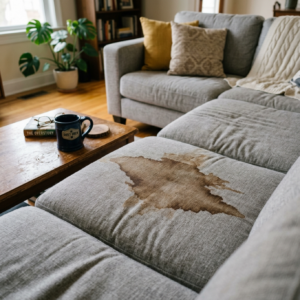
One second, everything feels calm. The next, a mug tips over onto the couch during breakfast, movie night, or a busy work-from-home morning. Coffee stains are one of the most common upholstery problems homeowners deal with, especially in homes with kids, pets, or packed schedules.
Many people panic when coffee lands on fabric furniture. Dark liquid spreads quickly into cushions and fibers. Strong odors can linger for days if the spill is ignored or cleaned the wrong way. Unfortunately, rushing into cleanup often makes the stain worse.
Professional upholstery cleaning can help restore furniture after tough spills, but homeowners can still make a huge difference when they act quickly and use the right DIY method. The goal is not only removing the stain. It is also protecting the fabric, preventing odors, and avoiding damage from harsh cleaning products.
Families in Murfreesboro often deal with coffee spills on sectionals, dining chairs, recliners, and upholstered headboards because these spaces get heavy daily use. Safe-Dry® has spent more than 30 years helping homeowners maintain cleaner, healthier homes with safe, hypoallergenic cleaning methods that dry quickly and leave no sticky residue behind.
Learning the best DIY solution for spilled coffee on upholstery can help save your furniture and reduce stress before stains become permanent.
Why Coffee Stains Are So Difficult to Remove
Coffee may seem simple compared to paint or grease stains, but it can create serious upholstery problems when left untreated.
Coffee contains natural tannins. These compounds create dark discoloration that clings tightly to fabric fibers. Cream, sugar, flavored syrups, and milk make stains even more difficult because they introduce oils and proteins into the upholstery.
Heat also makes the problem worse. Hot coffee penetrates deeply into cushions and padding within seconds. Once moisture reaches the inner layers, odors and discoloration become harder to remove.
A few factors usually determine how severe the stain becomes:
- The type of upholstery fabric
- Whether cream or sugar was added
- How quickly the spill was treated
- The cleaning products used afterward
- How much liquid soaked into the cushion
Quick action matters. Delaying cleanup allows stains to settle deeper into the material.
The First Thing You Should Do After a Coffee Spill
Many homeowners instinctively scrub the stain immediately. Scrubbing is actually one of the biggest mistakes during upholstery cleaning.
Aggressive rubbing pushes coffee deeper into fibers. It can also spread the stain outward, making the damaged area larger.
Instead, start with gentle blotting.
Step 1: Blot the Spill Immediately
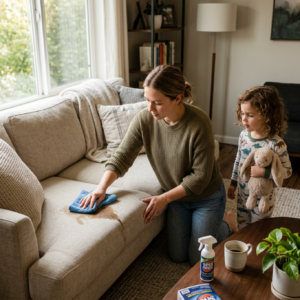
Use clean white towels or paper towels to absorb as much liquid as possible.
Press gently onto the stain without rubbing. Continue blotting until very little moisture transfers onto the towel.
Avoid colored towels because dyes may bleed into the upholstery.
Step 2: Remove Loose Debris
If whipped cream, foam, grounds, or sugary residue remain on the surface, carefully lift them using a spoon or dull edge.
Keeping debris from spreading helps make upholstery cleaning easier later.
Step 3: Check the Upholstery Tag
Most furniture includes a cleaning code tag under cushions or beneath the frame.
Common upholstery cleaning codes include:
- W = Water-based cleaners allowed
- S = Solvent-based cleaners only
- WS = Water or solvent cleaners safe
- X = Vacuum only
Ignoring these codes may damage the fabric permanently.
The Best DIY Solution for Coffee Stains on Upholstery
Simple cleaning methods often work best. Harsh chemicals can discolor furniture or leave sticky residue behind.
A gentle DIY upholstery cleaning solution can safely break down coffee stains without harming most water-safe fabrics.
DIY Coffee Stain Cleaning Solution
Mix the following ingredients:
- 2 cups warm water
- 1 tablespoon mild dish soap
- 1 tablespoon white vinegar
This combination helps dissolve tannins while neutralizing odors.
The vinegar also helps prevent lingering sour smells caused by milk or cream inside the cushions.
Step 4: Test a Hidden Area First
Before applying any cleaner directly to the stain, test a small hidden section first.
Wait several minutes to check for fading, discoloration, or texture changes.
Skipping this step is risky, especially with delicate upholstery materials.
Step 5: Apply the Solution Gently
Dip a clean microfiber cloth into the mixture and wring it out well.
The cloth should feel damp, not soaking wet.
Lightly blot the stained area using small motions. Work from the outside edge toward the center to avoid spreading the stain.
Step 6: Rinse the Area Carefully
After lifting the stain, dampen another clean cloth with plain water.
Blot the upholstery to remove leftover soap residue.
Soap residue attracts dirt over time. Furniture may become dingy faster if too much cleaner remains in the fibers.
Step 7: Dry the Upholstery Properly
Proper drying is essential during upholstery cleaning.
Use dry towels to absorb excess moisture. Open windows or place a fan nearby to speed up airflow.
Fast drying helps reduce the risk of mildew, odors, and water rings.
Mistake #1: Ignoring Stain Types
Many homeowners assume every upholstery stain should be treated the same way.
Coffee stains behave differently depending on what was added to the drink.
Black coffee mainly creates tannin stains. Sweetened coffee introduces sticky sugars. Cream-based coffee adds oils and proteins that can spoil inside cushions if moisture remains trapped.
Understanding the stain type helps determine the safest upholstery cleaning method.
For example:
- Black coffee usually responds well to vinegar-based solutions
- Sugary coffee may need extra rinsing
- Cream-heavy spills may require deodorizing treatments
- Flavored coffee often leaves oily residue
Ignoring these differences can lead to lingering stains and odors.
Mistake #2: Over-Wetting the Upholstery
Excess water creates another common problem.
Some homeowners pour water directly onto furniture while trying to rinse the stain away. Saturating cushions pushes liquid deeper into the padding.
Over-wetting can cause:
- Mold growth
- Mildew smells
- Cushion damage
- Water rings
- Fabric shrinkage
Professional upholstery cleaning methods use controlled moisture levels to avoid these issues.
Safe-Dry® uses low-moisture cleaning techniques designed to help furniture dry faster while reducing residue buildup.
Mistake #3: Using the Wrong Cleaning Products
Strong cleaning products may seem powerful, but many actually damage upholstery fibers.
Avoid products containing:
- Bleach
- Ammonia
- Heavy dyes
- Strong solvents
- Abrasive powders
Some carpet cleaner products are also too harsh for upholstery cleaning.
Furniture fabrics are often more delicate than carpets. Using the wrong cleaner can cause fading or stiff texture changes.
Homeowners searching for eco friendly carpet cleaning or upholstery cleaning solutions often prefer mild products because they are safer around children and pets.
Mistake #4: Neglecting Regular Maintenance
Coffee stains become harder to remove when upholstery already contains dirt buildup.
Dust, body oils, pet hair, and old residue create a layer that traps stains more quickly.
Routine upholstery cleaning helps maintain fresher furniture and improves stain resistance.
Simple maintenance habits include:
- Vacuuming weekly
- Rotating cushions
- Cleaning spills immediately
- Scheduling deep cleaning services regularly
- Using fabric protection when appropriate
Regular care also helps furniture last longer.
How Different Upholstery Fabrics React to Coffee Stains
Not all fabrics respond the same way during upholstery cleaning.
Cotton Upholstery
Cotton absorbs liquid quickly. Fast blotting is essential.
Cotton generally responds well to mild DIY cleaning methods, although over-wetting can leave water marks.
Microfiber Upholstery
Microfiber is popular because it resists stains better than some fabrics.
Alcohol-based cleaners sometimes work best on microfiber, depending on the manufacturer code.
Linen Upholstery
Linen stains easily and can shrink if exposed to too much moisture.
Gentle blotting and minimal water are important.
Velvet Upholstery
Velvet requires extra caution. Rubbing damages the texture quickly.
Professional upholstery cleaning is often safest for velvet furniture.
Leather Furniture
Leather reacts differently than fabric upholstery.
Coffee should be wiped immediately using a soft cloth. Specialized leather cleaners help prevent drying or cracking afterward.
Why Odors Sometimes Remain After Cleaning
Even when stains disappear, odors may linger.
Coffee mixed with milk or cream can soak into the inner cushion layers. Bacteria may begin growing if moisture remains trapped.
Many homeowners try covering odors with sprays, but odor elimination requires removing the source completely.
Professional upholstery cleaning equipment helps extract hidden moisture from deep inside furniture padding.
How Pets Make Upholstery Problems Worse
Pets often add extra challenges to upholstery cleaning.
Dogs and cats transfer oils, fur, dirt, and odors onto furniture daily. When coffee spills combine with pet buildup, stains become even harder to remove.
Families dealing with pet urine removal, pet odor removal, or pet stain removal often notice upholstery stains developing faster because fabrics already contain moisture and residue.
Pet accident cleaning may also weaken upholstery fibers over time.
Safe furniture care includes:
- Vacuuming pet hair regularly
- Addressing accidents quickly
- Using washable throws
- Scheduling periodic deep cleaning services
Preventing Future Coffee Stains on Upholstery
Prevention saves time and money.
Use Spill-Resistant Covers
Washable covers protect furniture during busy family activities.
They work especially well in homes with children or pets.
Keep Drinks Off Cushions
Using side tables instead of balancing drinks on cushions reduces spill risks dramatically.
Vacuum Furniture Weekly
Routine vacuuming removes debris before it settles deeply into the fabric.
Rotate Cushions Often
Rotating cushions prevents uneven wear and staining.
Schedule Professional Upholstery Cleaning
Professional upholstery cleaning helps remove hidden dirt and oils that DIY methods cannot fully reach.
When DIY Cleaning Is Not Enough
Some coffee stains require professional attention.
Call a professional upholstery cleaning service if:
- The stain keeps returning
- Odors remain after cleaning
- Fabric discoloration appears
- The spill soaked through cushions
- Delicate fabrics are involved
- Mold or mildew develops
- DIY cleaning spreads the stain
Experienced technicians understand how different materials react during cleaning.
How Professional Upholstery Cleaning Works
Professional upholstery cleaning involves several stages designed to clean safely without damaging furniture.
Fabric Inspection
Technicians identify fabric types and cleaning codes first.
Pre-Treatment
Specialized products help loosen stains and oils safely.
Low-Moisture Cleaning
Safe-Dry® uses low-moisture methods designed to reduce drying times.
Residue Removal
Professional extraction removes hidden debris and moisture.
Odor Treatment
Odor elimination treatments target deep smells trapped in cushions.
Final Grooming and Drying
Furniture is groomed and dried carefully to restore appearance.
Why Quick-Drying Upholstery Cleaning Matters
Slow drying creates problems.
Furniture that stays wet too long may develop:
- Musty odors
- Mildew
- Bacterial growth
- Fiber damage
Quick-drying upholstery cleaning reduces downtime and helps families return to normal faster.
How Upholstery Cleaning Supports a Healthier Home
Furniture collects more than visible dirt.
Upholstery may trap:
- Dust
- Allergens
- Pet dander
- Food particles
- Skin cells
- Odors
Routine upholstery cleaning supports cleaner indoor air and healthier living spaces.
Families with allergies often benefit from reducing buildup inside fabric furniture.
Why Homeowners in Murfreesboro Need Regular Upholstery Cleaning
Homes in Murfreesboro experience seasonal humidity, pollen, mud, and heavy family traffic throughout the year.
Furniture absorbs these particles daily.
Homeowners searching for carpet cleaning Murfreesboro Tennessee or upholstery cleaning services often want solutions that feel safe for both kids and pets.
Safe-Dry® focuses on family-friendly cleaning methods designed to support healthier homes without harsh chemical residue.
Upholstery Cleaning and Carpet Cleaning Often Go Together
Many households schedule upholstery cleaning alongside carpet cleaning services.
Coffee spills frequently affect both couches and nearby carpets at the same time.
Professional carpet cleaning also helps remove:
- Pet urine carpet cleaning problems
- Carpet odor removal
- Carpet stain removal
- Urine odor removal
- Carpet deodorizing needs
Combining services can help refresh the entire room at once.
Why Cheap Cleaning Methods Sometimes Cost More Later
Some homeowners choose cheap carpet cleaning products or generic online stain hacks without understanding the risks.
Improper cleaning may cause:
- Permanent stains
- Fabric damage
- Shrinkage
- Sticky residue
- Color fading
Affordable carpet cleaning should still prioritize safe cleaning practices and fabric protection.
How Safe-Dry® Approaches Upholstery Cleaning
Safe-Dry® focuses on gentle but effective cleaning methods.
The process is designed to support:
- Faster drying times
- Reduced residue
- Hypoallergenic cleaning
- Safer homes for children and pets
- Fresher furniture appearance
Families looking for top rated carpet cleaning and upholstery cleaning often prefer methods that avoid soaking furniture unnecessarily.
Helpful DIY Upholstery Cleaning Tips for Busy Families
Keeping upholstered furniture clean can feel like a full-time job when you have kids, pets, guests, busy work schedules, and everyday life happening all at once. Coffee spills, snack crumbs, pet hair, juice stains, and muddy paw prints can quickly turn a clean couch into a stressful mess. Fortunately, a few simple upholstery cleaning habits can make a big difference in keeping your furniture fresher between professional deep cleaning services.
Busy families do not always have time for complicated cleaning routines. Small daily habits are often the best way to protect furniture and prevent stains from becoming permanent. A little prevention and quick action can help extend the life of your upholstery while keeping your home feeling cleaner and healthier.
Keep a Simple Upholstery Cleaning Kit Ready
One of the easiest ways to handle spills quickly is by keeping a small upholstery cleaning kit nearby. Waiting too long gives stains time to soak deeper into the fabric. Having the right supplies within reach allows homeowners to react immediately before the stain spreads.
A basic DIY cleaning kit can include:
- White microfiber cloths
- Paper towels
- Mild dish soap
- White vinegar
- Baking soda
- Spray bottle
- Soft-bristle brush
- Vacuum attachment for upholstery
- Small fan for drying
Keeping these items together in a small basket or cabinet can save valuable time during accidents. Families with children or pets often deal with unexpected spills daily, so preparation matters.
Blot Spills Immediately Instead of Scrubbing
Many homeowners panic when they see a fresh stain and immediately start scrubbing. Unfortunately, scrubbing is one of the fastest ways to damage upholstery fibers and spread stains deeper into the fabric.
Blotting is much safer and more effective during upholstery cleaning. Use a clean cloth or paper towel to gently press down on the spill and absorb as much liquid as possible. Continue blotting until moisture stops transferring to the towel.
Working from the outside edge toward the center also helps prevent the stain from spreading outward.
Quick action can make the difference between a simple cleanup and a permanent stain.
Vacuum Upholstery More Often Than You Think
Most families vacuum carpets regularly but forget about upholstered furniture. Sofas and chairs collect dust, crumbs, pet dander, body oils, and allergens every day.
Regular vacuuming helps prevent dirt from settling deeply into the fibers. Dirt buildup not only makes furniture look dull, but it can also wear down upholstery fabric over time.
Use a soft brush upholstery attachment at least once a week, especially in homes with pets or children. Focus on:
- Seat cushions
- Armrests
- Creases and seams
- Under removable cushions
- Headrests
- Recliner edges
Routine vacuuming supports healthier indoor air while helping upholstery stay cleaner longer between professional upholstery cleaning appointments.
Rotate Cushions to Prevent Uneven Wear
Families tend to sit in the same spots every day. Over time, this creates uneven discoloration, flattening, and wear patterns on upholstered furniture.
Rotating cushions regularly helps distribute use more evenly across the entire couch or chair. It also prevents one section from collecting more dirt and oils than the rest.
A good habit is rotating cushions once every week or two. Flipping reversible cushions also helps preserve their shape and appearance.
Use Arm Covers and Washable Throws
Busy households can reduce furniture wear by using washable protective layers. Throws and slipcovers are especially helpful for homes with small children, pets, or daily coffee drinkers.
Machine-washable covers protect upholstery from:
- Food spills
- Pet accidents
- Sweat and body oils
- Dirt from outdoor clothing
- Makeup stains
- Drink spills
These protective layers can be cleaned quickly without needing full upholstery cleaning every time an accident happens.
Neutral-colored throws can also freshen the look of a room while quietly protecting expensive furniture underneath.
Avoid Over-Wetting During DIY Upholstery Cleaning
One of the biggest mistakes homeowners make is using too much water while cleaning furniture.
Oversaturated cushions may trap moisture deep inside the padding. This can lead to:
- Mold growth
- Mildew smells
- Water stains
- Fabric shrinking
- Cushion damage
Always use damp cloths instead of soaking the fabric directly. Gentle moisture is usually enough for most surface stains.
After cleaning, use fans or open windows to improve airflow and speed up drying.
Be Careful With Store-Bought Cleaning Products
Not every cleaner is safe for upholstery. Strong chemicals can bleach fabric, leave sticky residue, or weaken fibers.
Before using any product, check the upholstery cleaning code tag on the furniture.
Families looking for safer upholstery cleaning solutions often prefer mild cleaning mixtures because they are more family-friendly around children and pets.
When trying a new cleaner:
- Test a hidden area first
- Avoid spraying large amounts directly onto fabric
- Never mix random chemicals together
- Follow manufacturer directions carefully
Sometimes simple solutions work better than harsh cleaners.
Treat Pet Hair Before It Builds Up
Pet hair becomes deeply embedded in upholstery if ignored too long. Vacuuming alone may not always remove it completely.
A few easy tricks can help:
- Use rubber gloves to gather hair
- Try lint rollers on cushions
- Use a slightly damp microfiber cloth
- Vacuum frequently during shedding seasons
Homes dealing with pet odor removal or pet accident cleaning often benefit from consistent upholstery maintenance before smells settle deeply into the furniture.
Address Odors Early
Odors usually become harder to remove the longer they remain trapped in upholstery fibers.
Coffee spills, pet accidents, smoke, sweat, and food residue can all create lingering smells over time.
Baking soda can help absorb mild odors naturally. Sprinkle a light layer over dry upholstery, allow it to sit for 15 to 30 minutes, then vacuum thoroughly.
Persistent odors may require professional odor elimination treatments if the smell has soaked into the cushion padding.
Keep Food and Drinks in Safer Areas
Prevention always saves time during upholstery cleaning.
Creating designated snack or drink zones can reduce spills dramatically. Side tables, trays, and cup holders help prevent accidents from reaching upholstered surfaces.
Families with young children often benefit from using spill-proof cups in carpeted or furnished areas.
Even small habits like using trays during movie nights can help protect furniture from long-term staining.
Schedule Professional Upholstery Cleaning Regularly
DIY cleaning helps with surface maintenance, but professional upholstery cleaning reaches deeper layers of dirt and buildup that household tools cannot fully remove.
Over time, upholstery collects:
- Allergens
- Dust mites
- Pet dander
- Oils
- Hidden moisture
- Odors
- Deep stains
Professional deep cleaning services help restore freshness while extending the life of furniture.
Homes with children, pets, or heavy daily use often benefit from professional upholstery cleaning every 12 to 18 months.
Regular maintenance helps furniture stay softer, cleaner, and healthier for the entire family.
Why Regular Professional Cleaning Helps Furniture Last Longer
Furniture is expensive.
Routine upholstery cleaning helps protect that investment by reducing fiber wear caused by dirt buildup.
Dirt acts like sandpaper against upholstery fibers over time.
Professional deep cleaning services help extend the life of couches, chairs, and sectionals.
Signs Your Upholstery Needs Professional Attention
Watch for these warning signs:
- Lingering odors
- Visible discoloration
- Dingy appearance
- Sticky texture
- Increased allergy symptoms
- Water rings
- Recurring stains
Professional upholstery cleaning may restore furniture before replacement becomes necessary.
Frequently Asked Questions About Upholstery Cleaning
Can coffee stains become permanent?
Yes. Coffee stains can become permanent if they remain untreated too long or if harsh cleaning methods set the stain deeper into the fabric.
Is vinegar safe for upholstery cleaning?
Vinegar is often safe for water-safe fabrics when diluted properly. Testing a hidden area first is still important.
How long should upholstery take to dry?
Drying times vary depending on the fabric and cleaning method. Low-moisture upholstery cleaning generally dries much faster.
Can baking soda remove coffee odors?
Baking soda may help absorb mild odors temporarily. Deep odors trapped inside cushions often require professional odor elimination.
Should I use carpet cleaner on upholstery?
Not always. Some carpet cleaner products are too harsh for furniture fabrics. Always check manufacturer instructions first.
How often should upholstery be professionally cleaned?
Most households benefit from professional upholstery cleaning every 12 to 18 months. Homes with pets or children may need more frequent cleaning.
Can old coffee stains still be removed?
Many older stains can improve significantly with professional upholstery cleaning, although complete removal depends on fabric type and stain severity.
Bring Freshness Back to Your Furniture With Safe-Dry®

Coffee spills do not have to ruin your favorite couch or chair. Quick action, gentle DIY cleaning methods, and regular upholstery cleaning can help protect furniture from long-term damage.
Families in Murfreesboro looking for trusted upholstery cleaning, carpet cleaning services, rug cleaning, or odor elimination solutions can turn to Safe-Dry® for professional care designed around healthier homes.
Whether you need help with stubborn coffee stains, pet odor eliminator treatments, pet stain and odor removal, or deep cleaning services for heavily used furniture, Safe-Dry® provides family-friendly solutions that dry quickly and leave homes feeling refreshed.
Scheduling professional upholstery cleaning can help restore comfort, improve indoor freshness, and extend the life of the furniture your family uses every day.